Before Planning...
What is Software Engineering?
Writing the code is the easy part. Deciding what to build, and what it has to survive, is the job.
We bring engineering discipline to problems that usually get solved with a quick script and good intentions. That means designing for the load, the edge cases, and the person who inherits it, not just the feature list in front of us.
But, what about Software Development?
Development delivers what was asked for. Engineering asks whether it's the right thing to build, and what happens to it in year three.
That distinction rarely matters for a small app. It matters a lot once systems grow, requirements shift, or a new integration has to slot into something built five years ago.
Below: what each one actually covers.
Software Development
Builds the actual applications and features your users see. Focuses on coding web, mobile, and API solutions to deliver specific functionality.
- Web Development
- Mobile Development
- API Development & Integration
Software Engineering
Covers the whole system: architecture, infrastructure, UX, and the deployment pipeline underneath it.
- Web Development
- Mobile Development
- Infrastructure & Cloud Architecture
- API Development & Integration
- UI/UX Engineering
- Software Architecture & Design
- DevOps & CI/CD
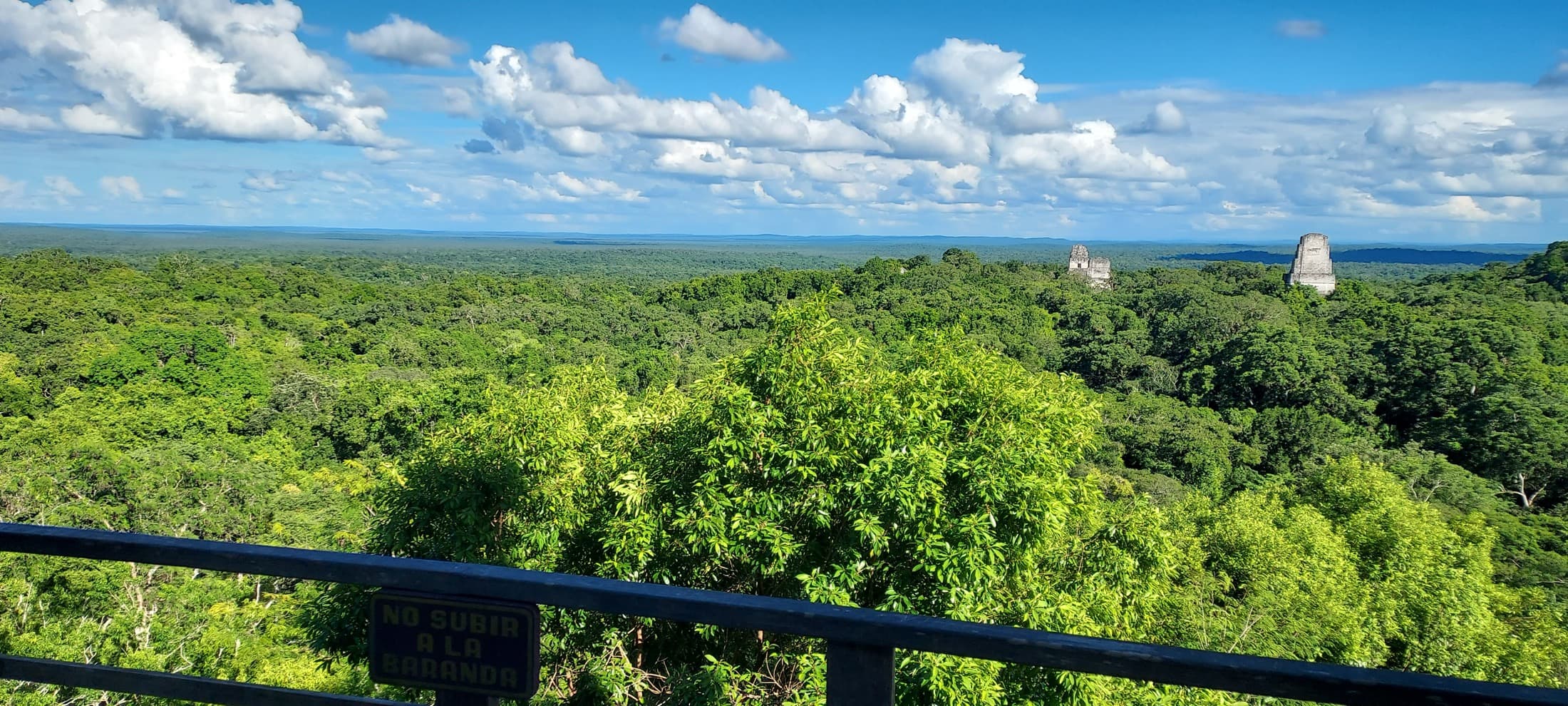
Guatemala → Worldwide
Built where the work happens
Snakebird is based in Guatemala City, not a satellite office: the actual team. Real engineers, in a real place, shipping real software for clients across the US and beyond.
30+
years combined experience
Fixed bid
no hourly surprises
Full day
overlap with US business hours
Built to still make sense in three years.
Software Engineering with Us
We start by understanding the workflow, not the ticket. That usually surfaces two or three things nobody put in the brief, and they're much cheaper to find now than after the first release.
Every feature has to justify the maintenance it creates. We'd rather ship a smaller system you can run yourselves than a bigger one that keeps us on retainer forever.
Onboarding takes a call, not a month. Decades in low-code platforms, modern architecture, and process automation mean the questions we ask on the first day are usually the ones that matter.
- architecture that holds
- documented APIs
- CI/CD pipeline
- real test coverage
- handover docs
- clean integration points
F.A.Q.
Things US clients always ask us
How do you handle communication across timezones?
Guatemala City is on UTC-6 year-round, with no daylight saving: the same time as US Central in winter and one hour behind it in summer, so we're never more than two hours from Eastern. We're available throughout the US business day on Slack, email, or a call. Same day, same hours.
How do you use AI in your delivery process?
We use AI tools like Claude Code to accelerate development: handling boilerplate, test generation, and documentation. This lets our senior engineers focus on architecture and design decisions.
Do you work with US legal and payment structures?
Yes. We work under formal Statements of Work (SOW), sign NDAs, and accept USD via wire or ACH. We've been working professionally with US companies of any size for the past 15 years.
Who will actually be working on my project?
Emanuel, Erik, and Diego: the three founders. We don't subcontract and we don't put juniors on client work. The people you talk to in the sales process are the people who write your code.
